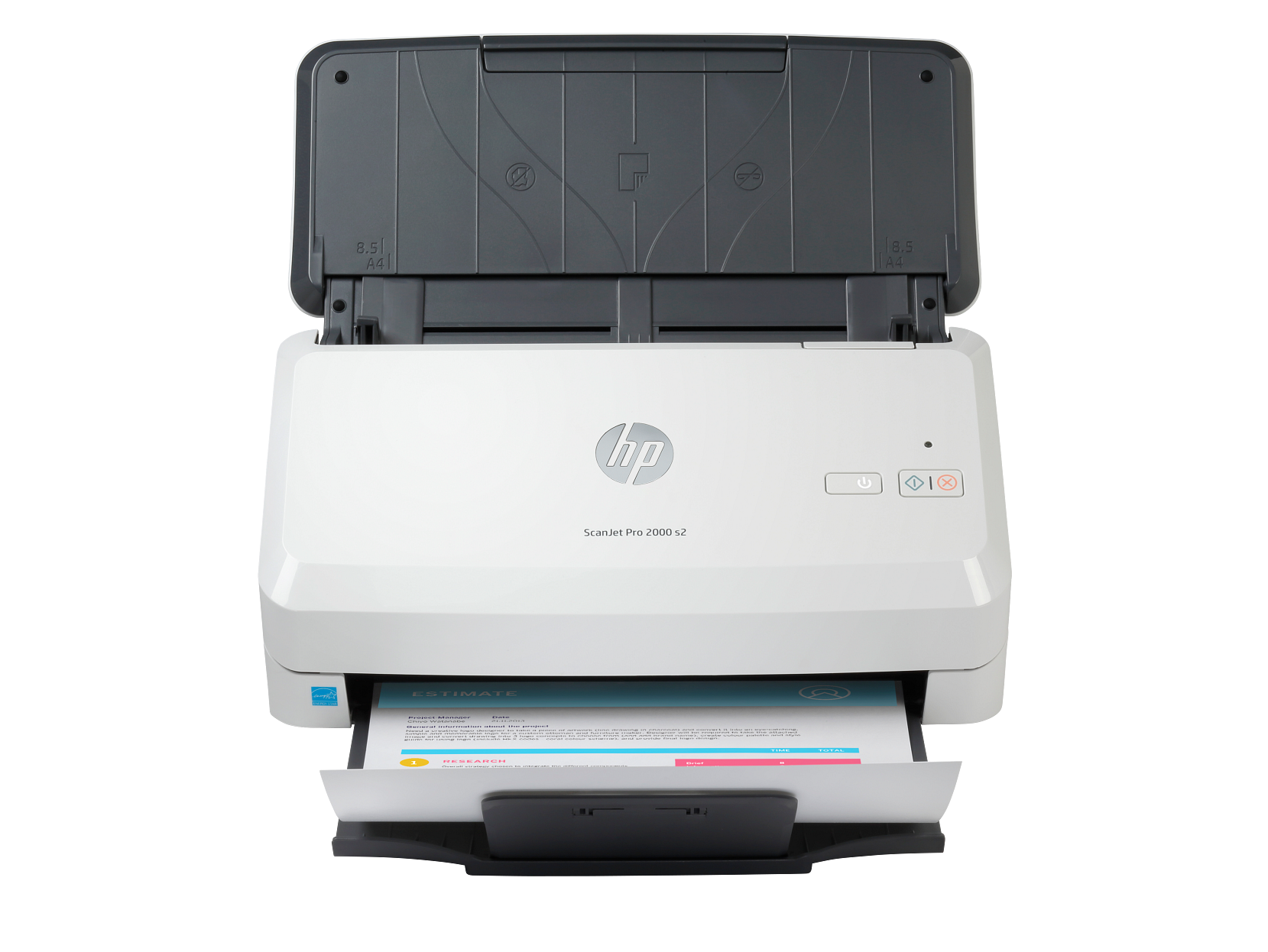
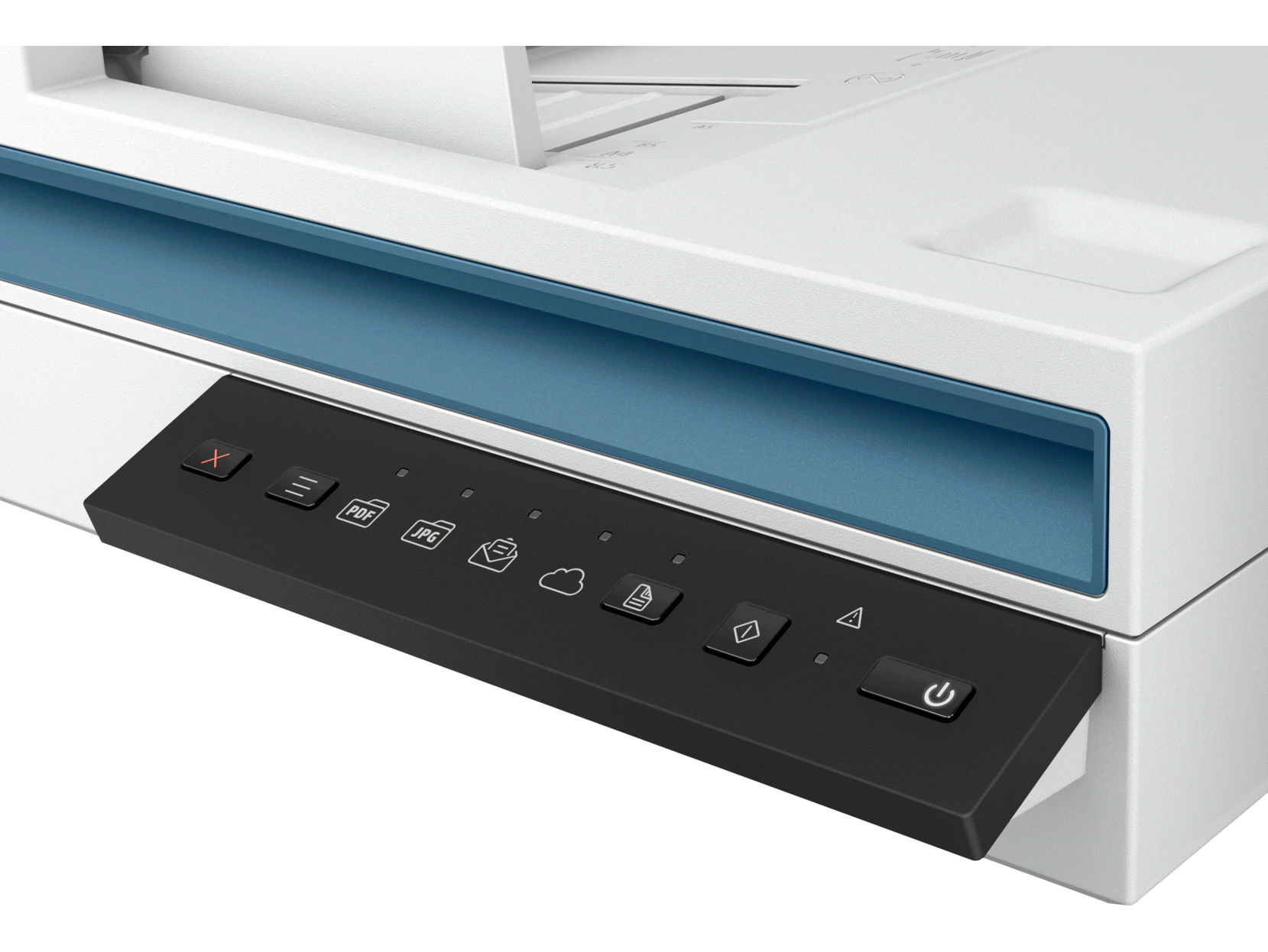
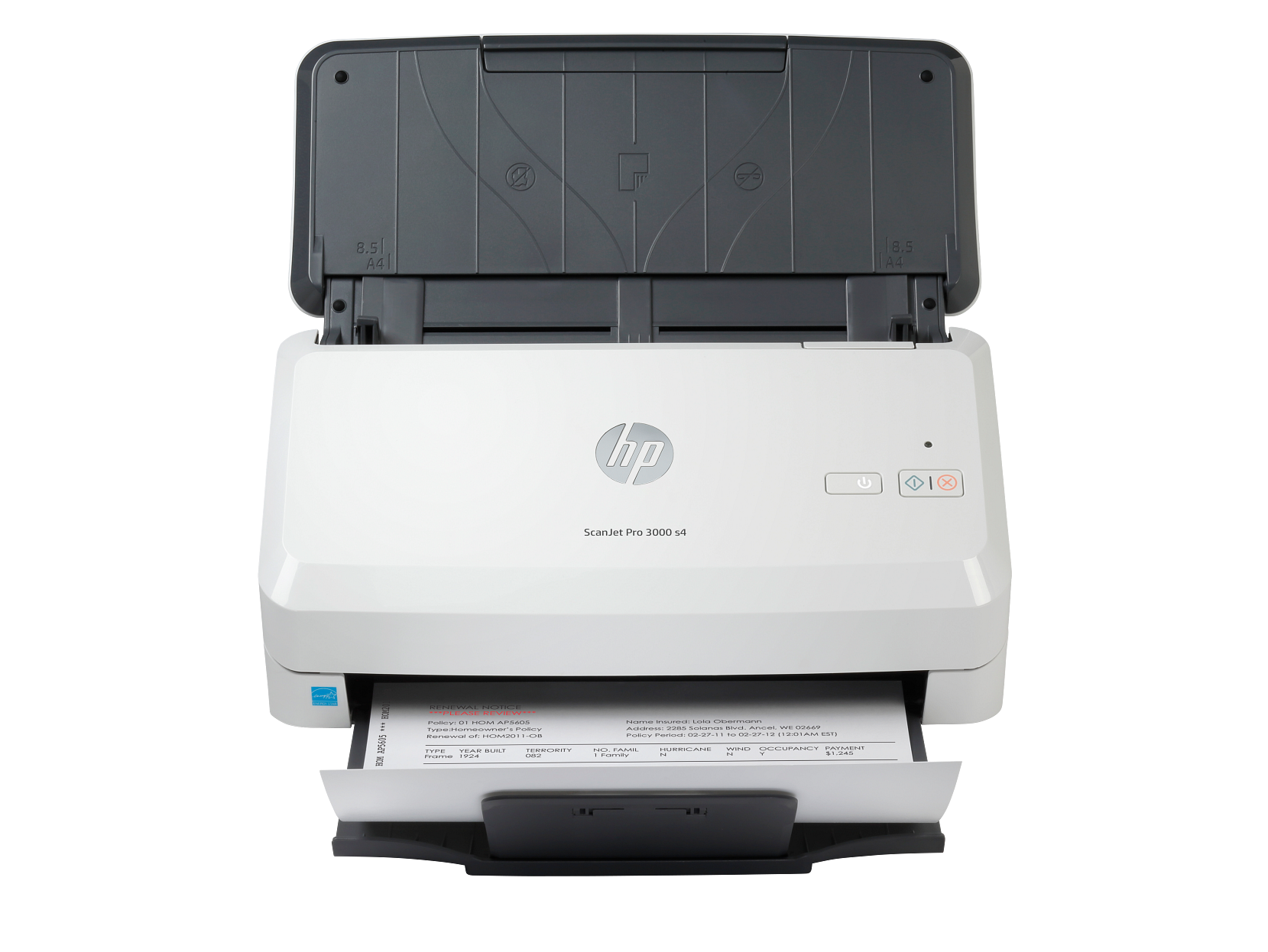
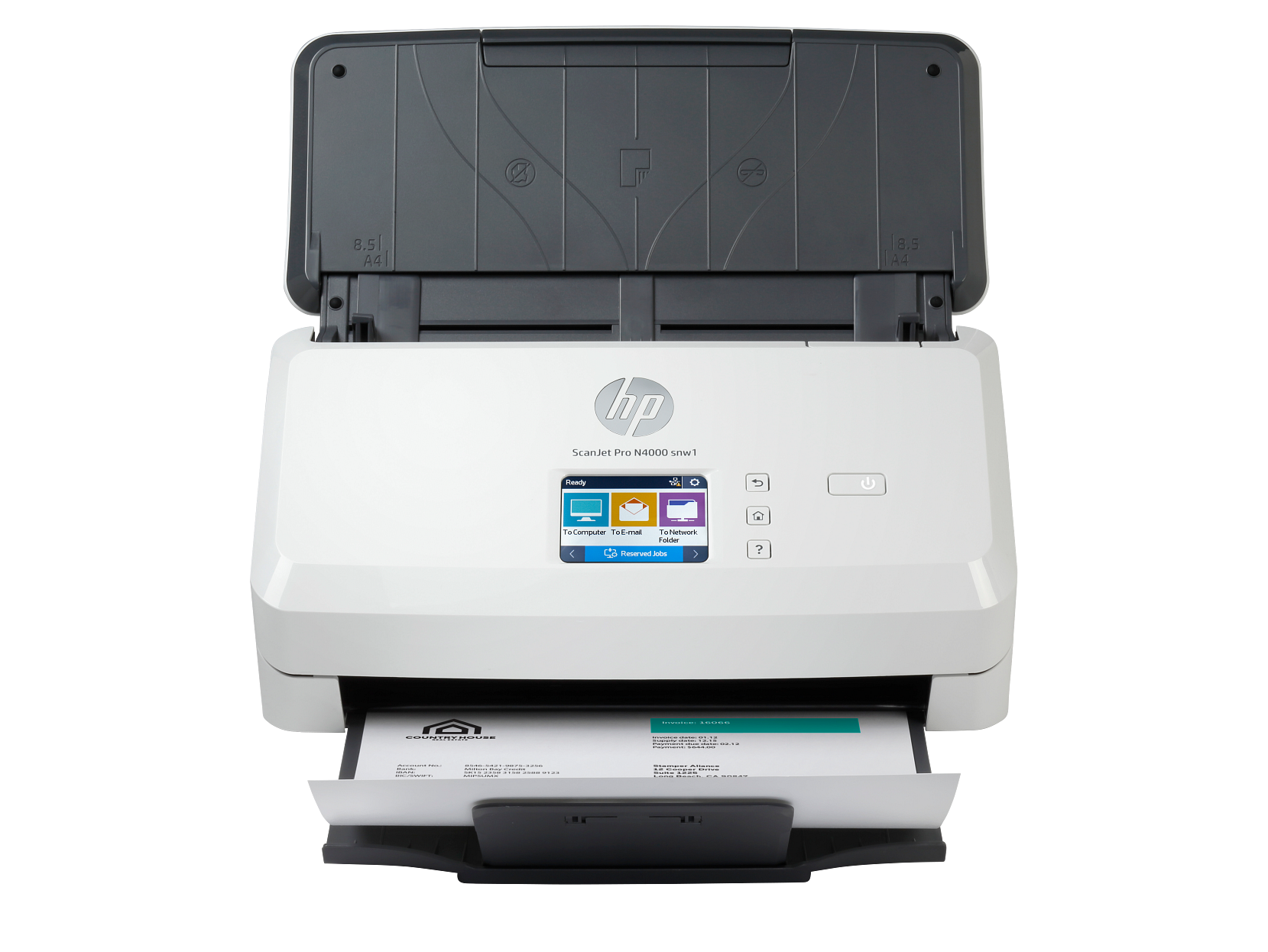
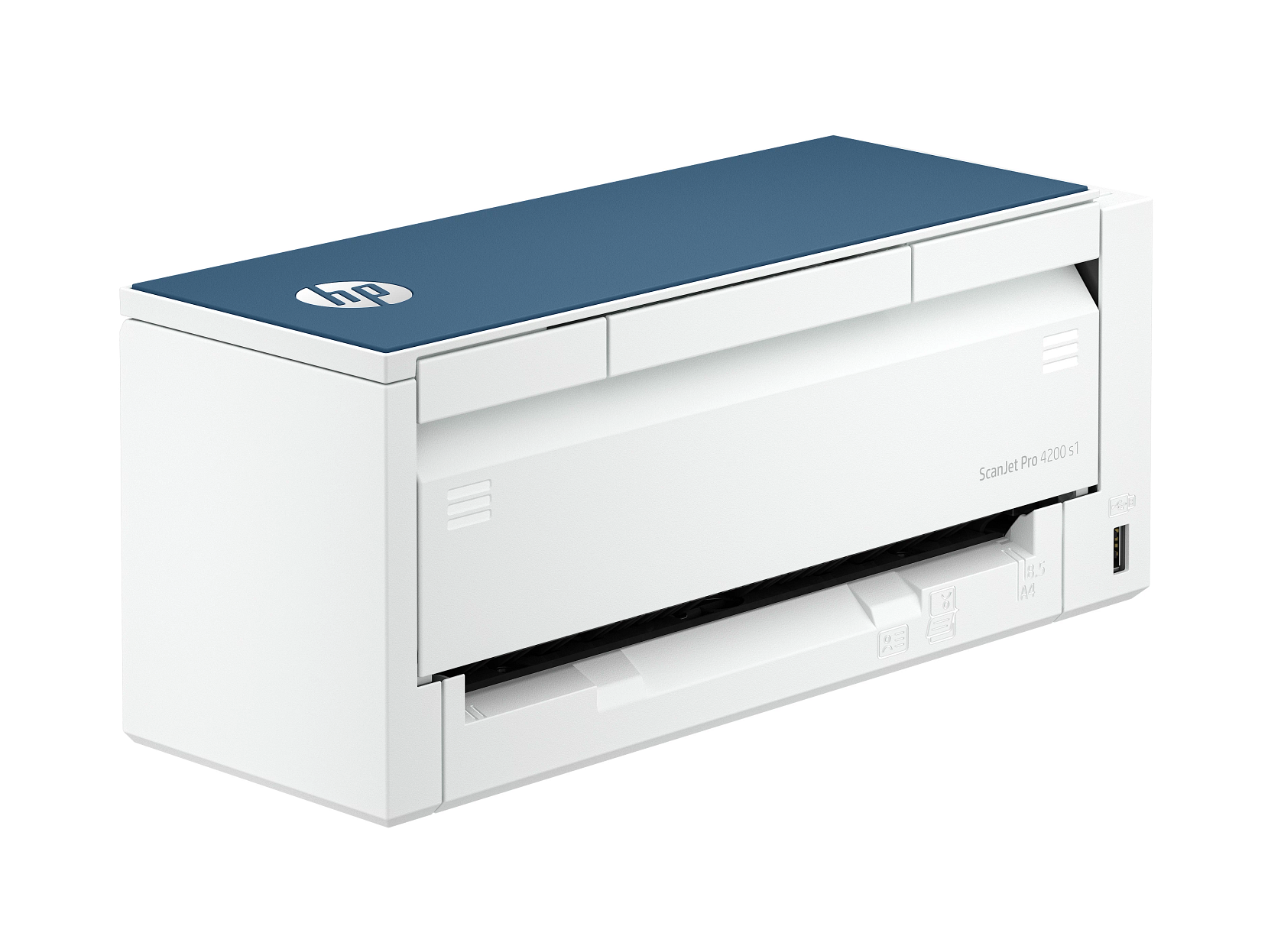
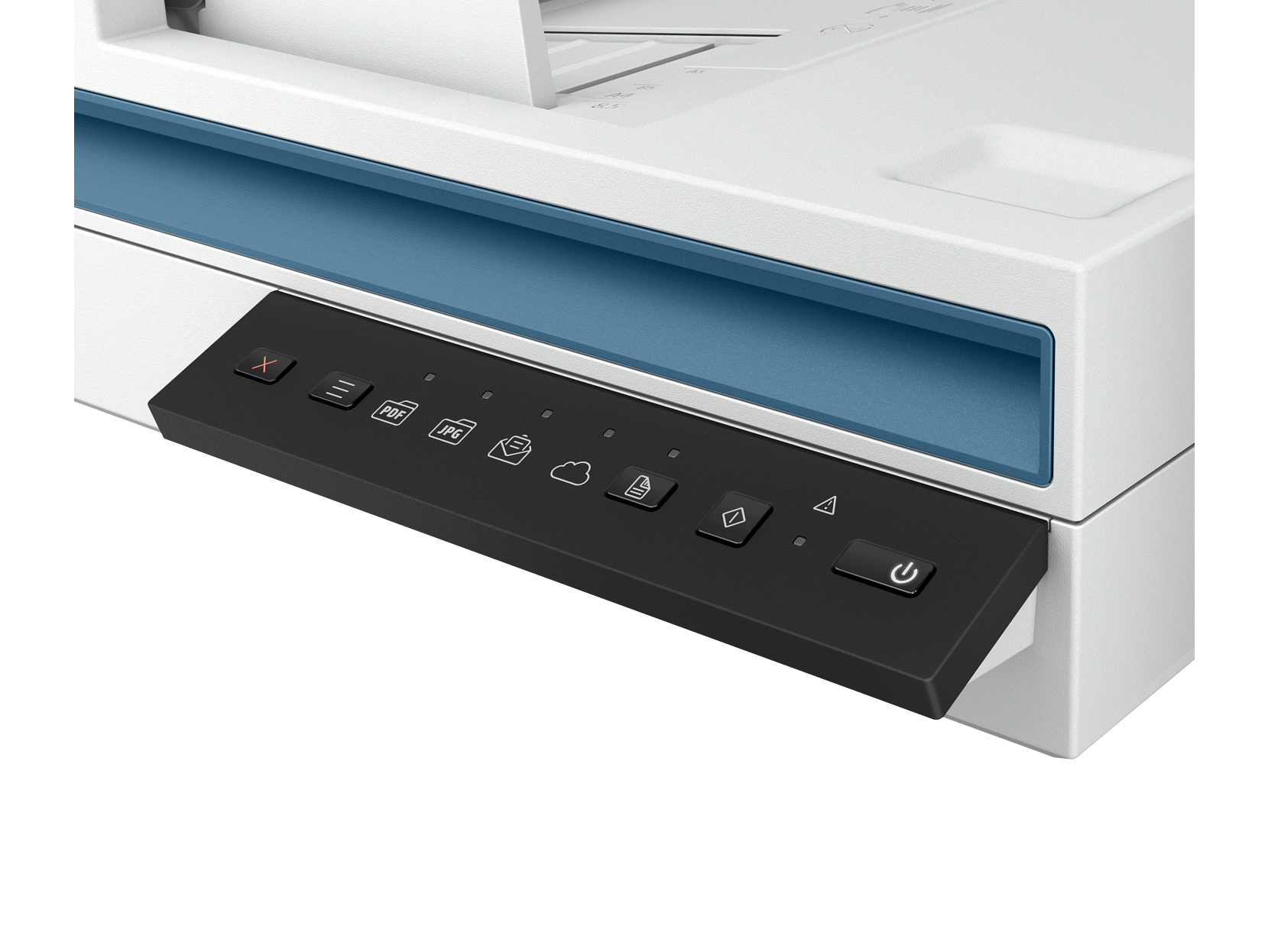
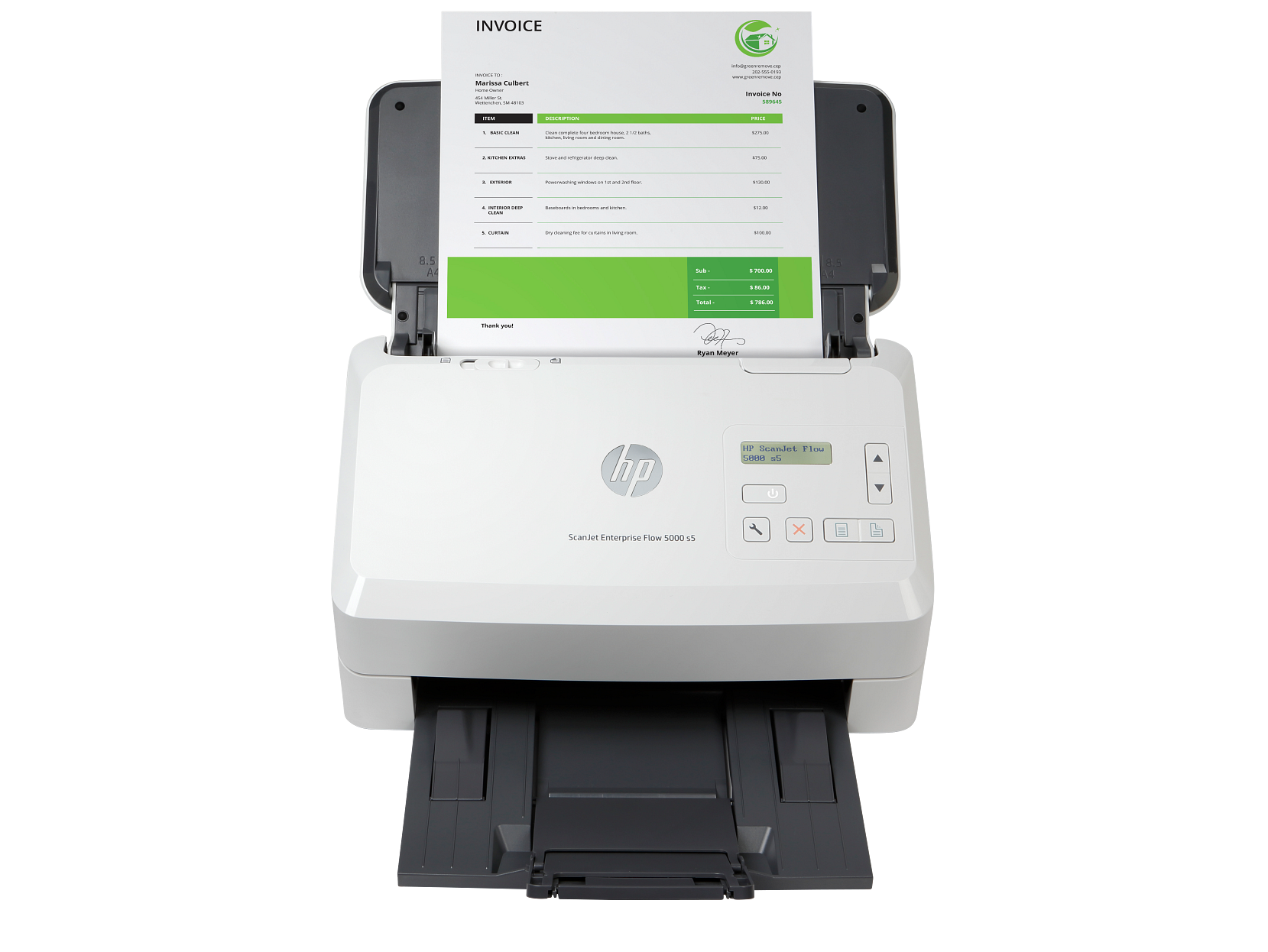
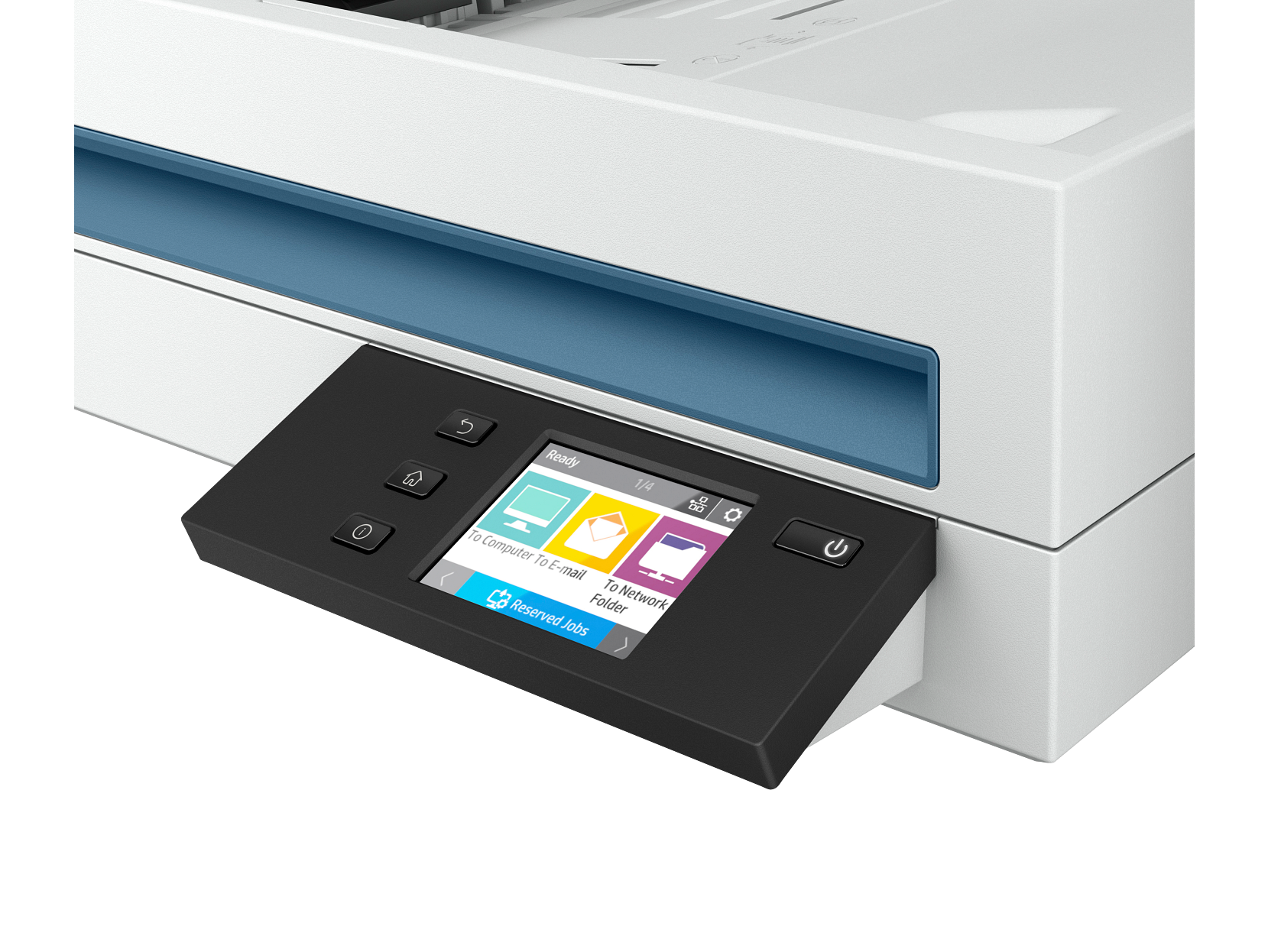
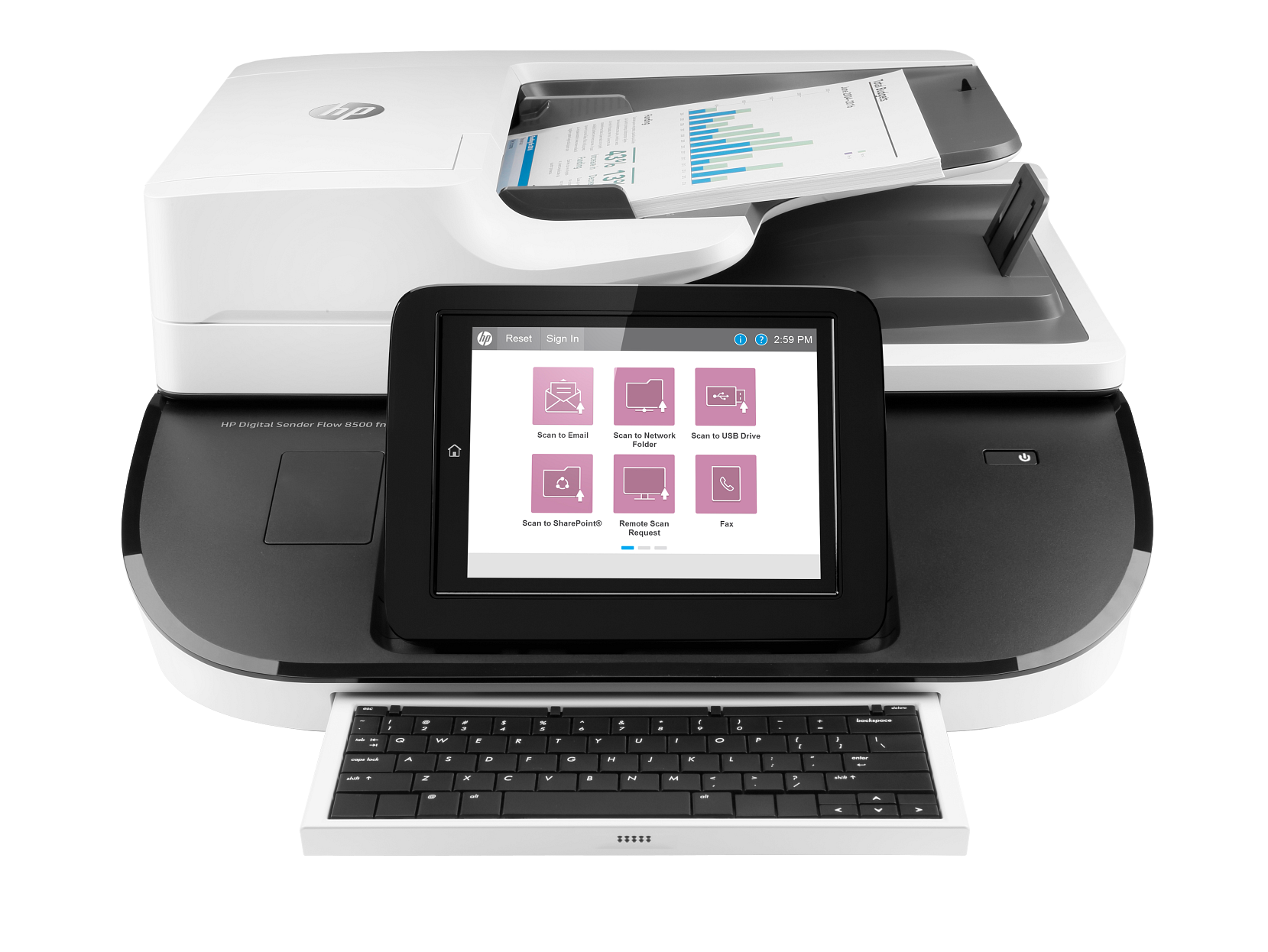
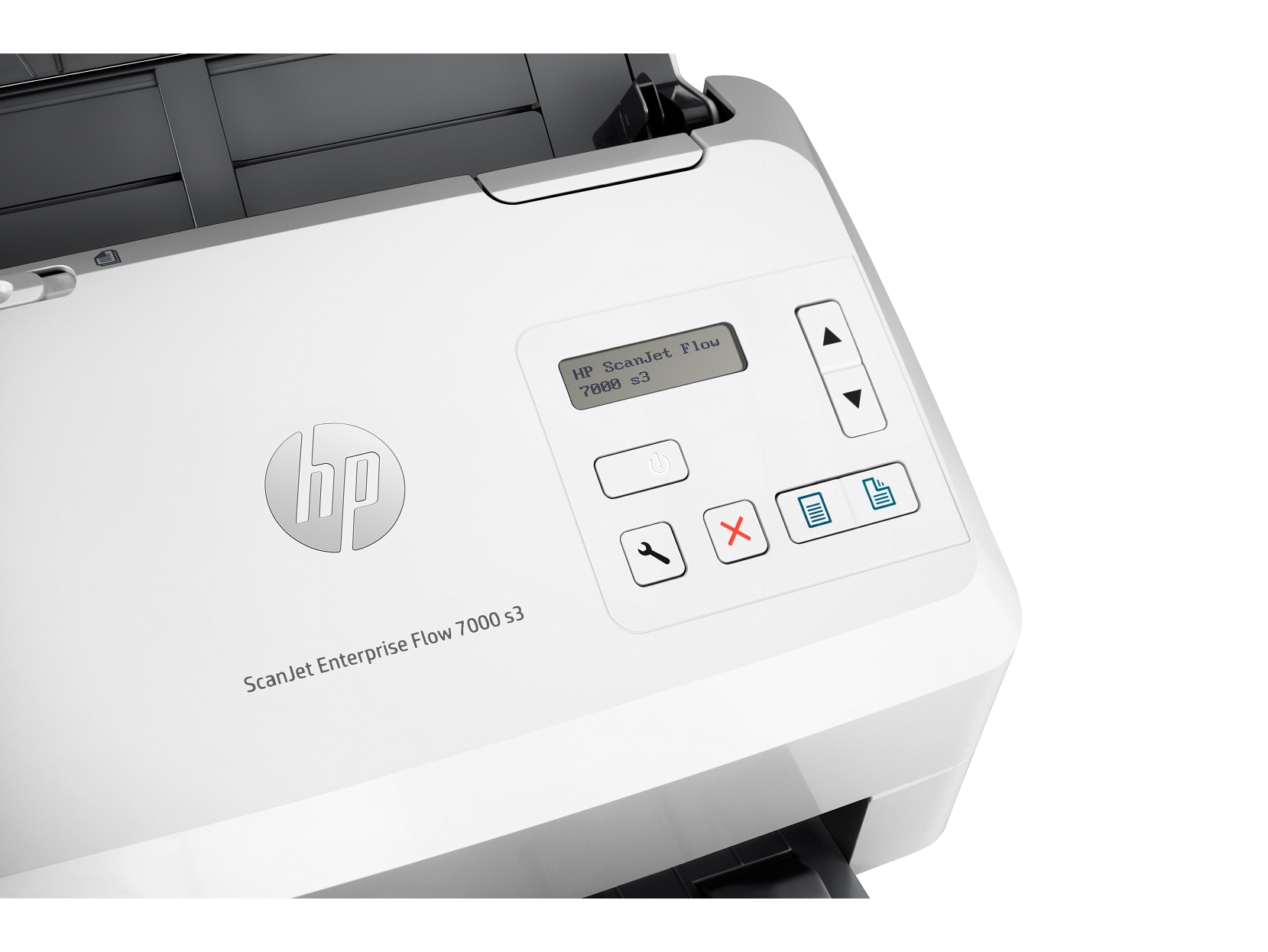
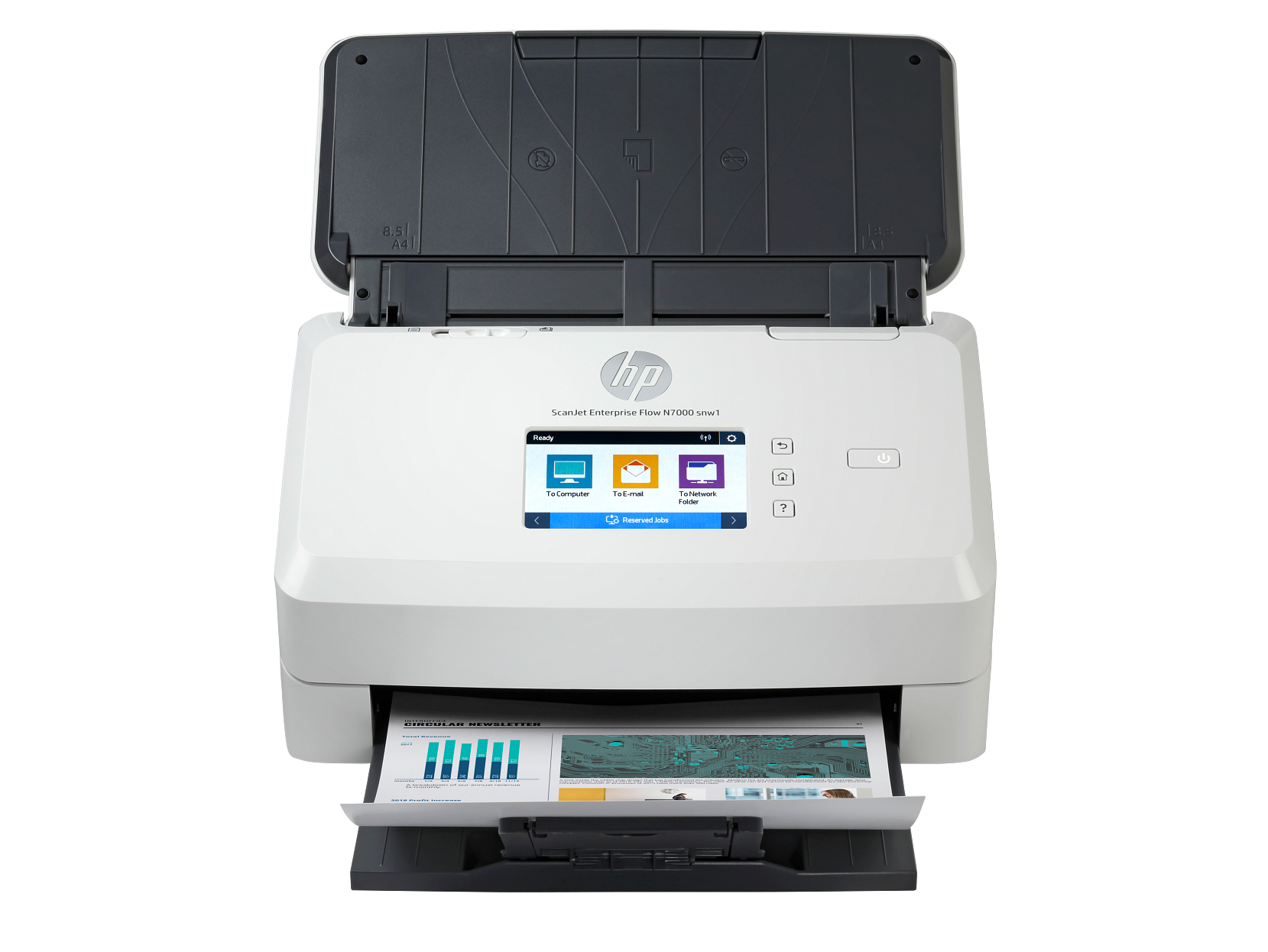
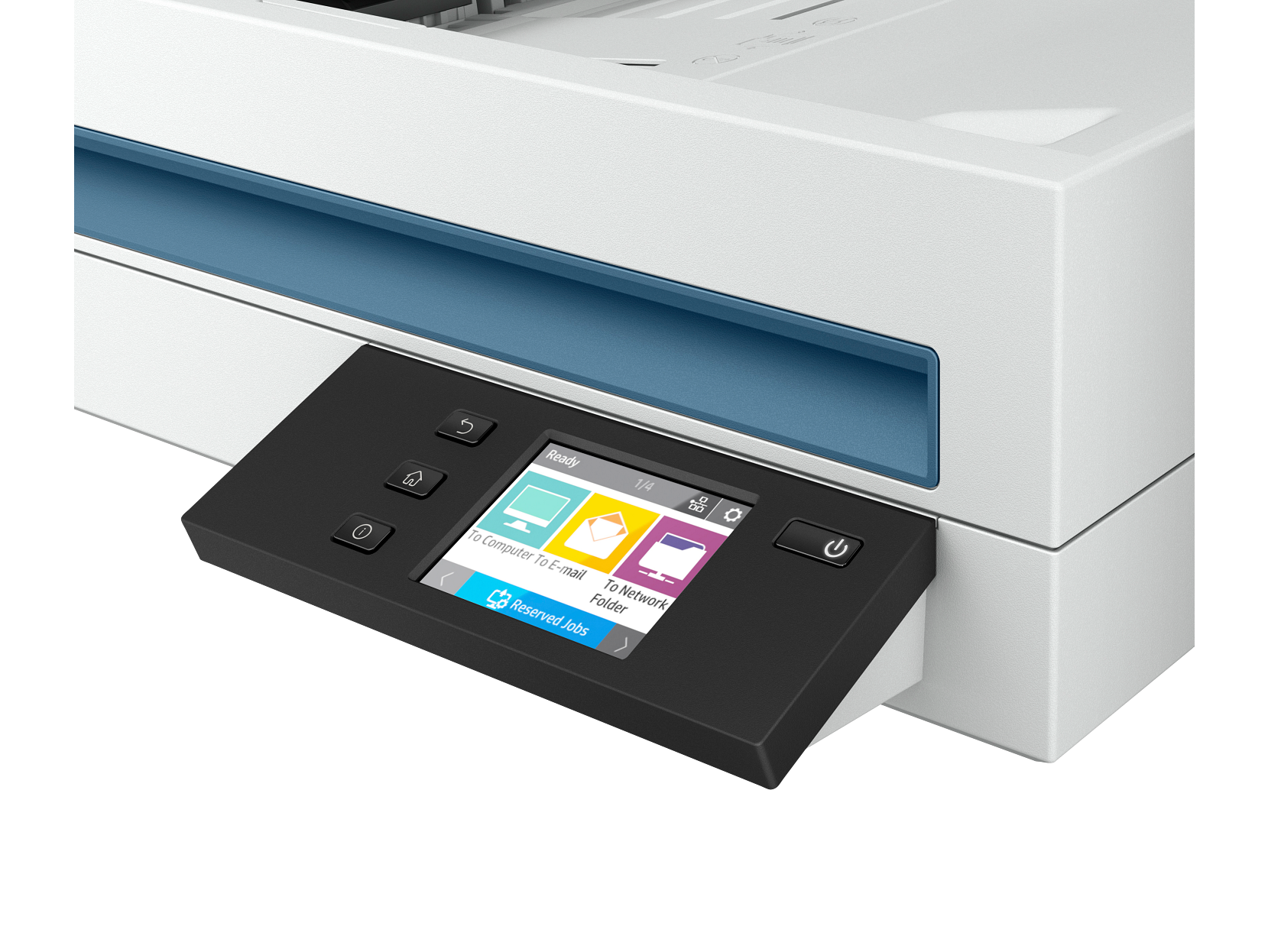
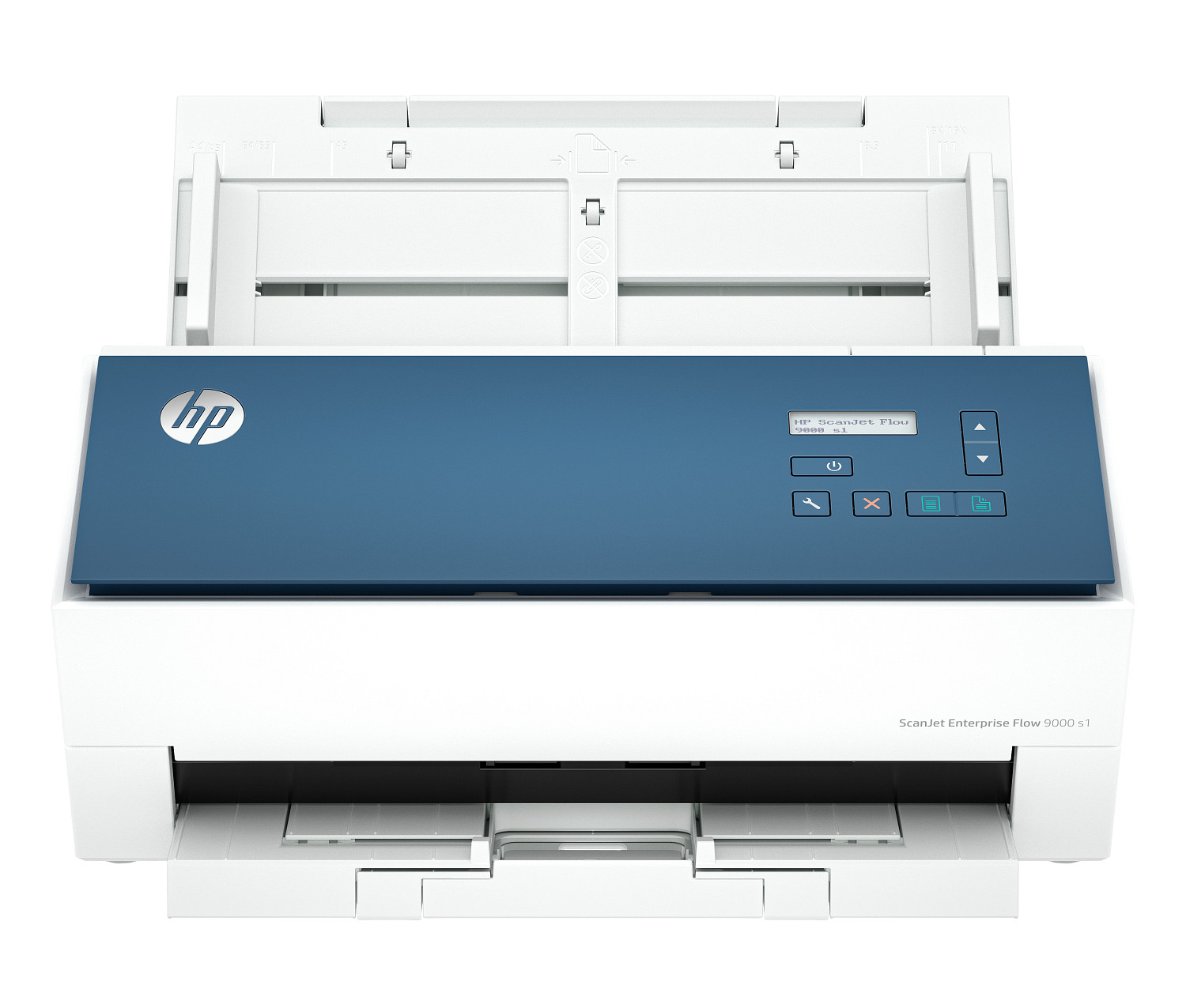
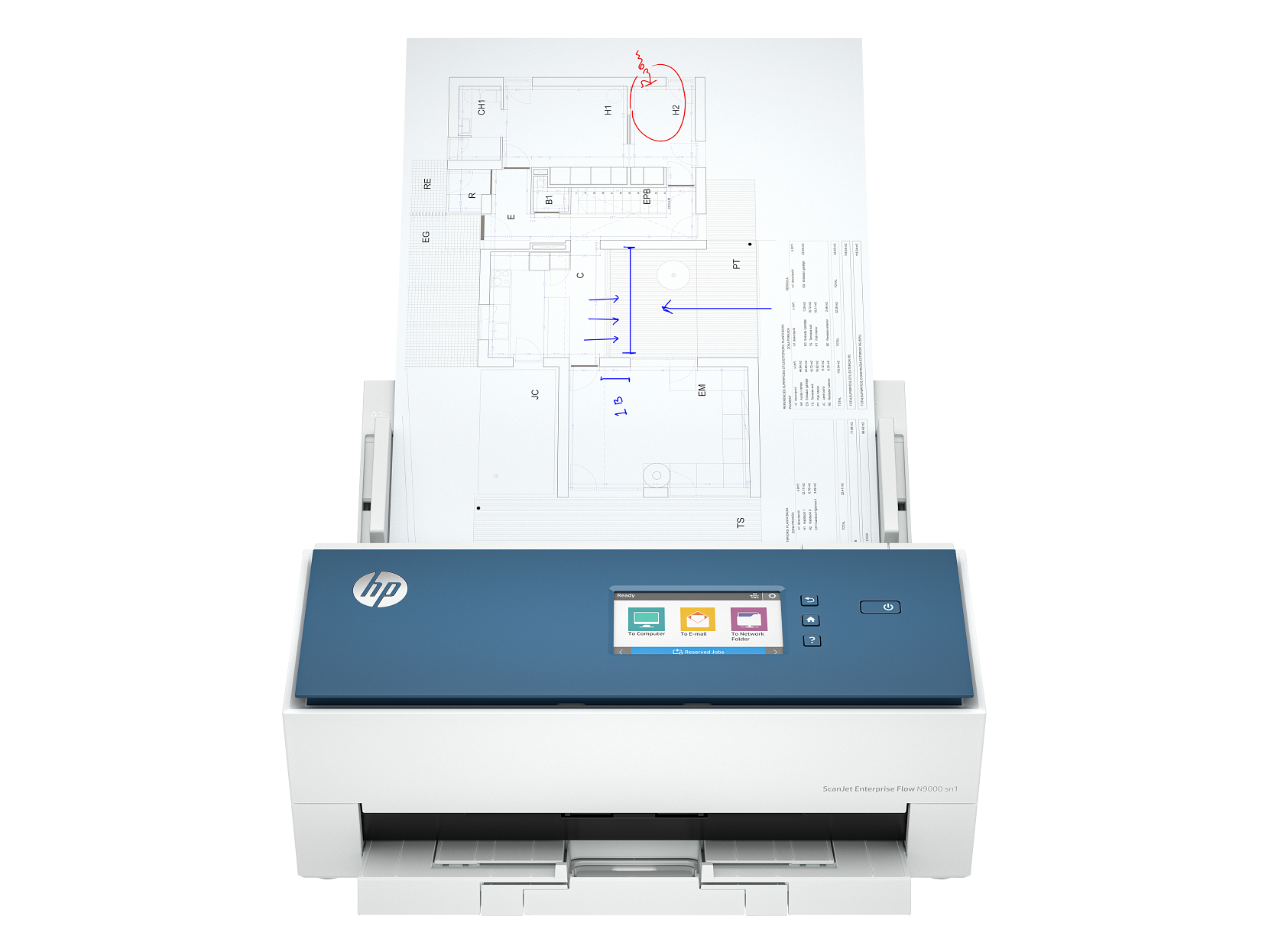
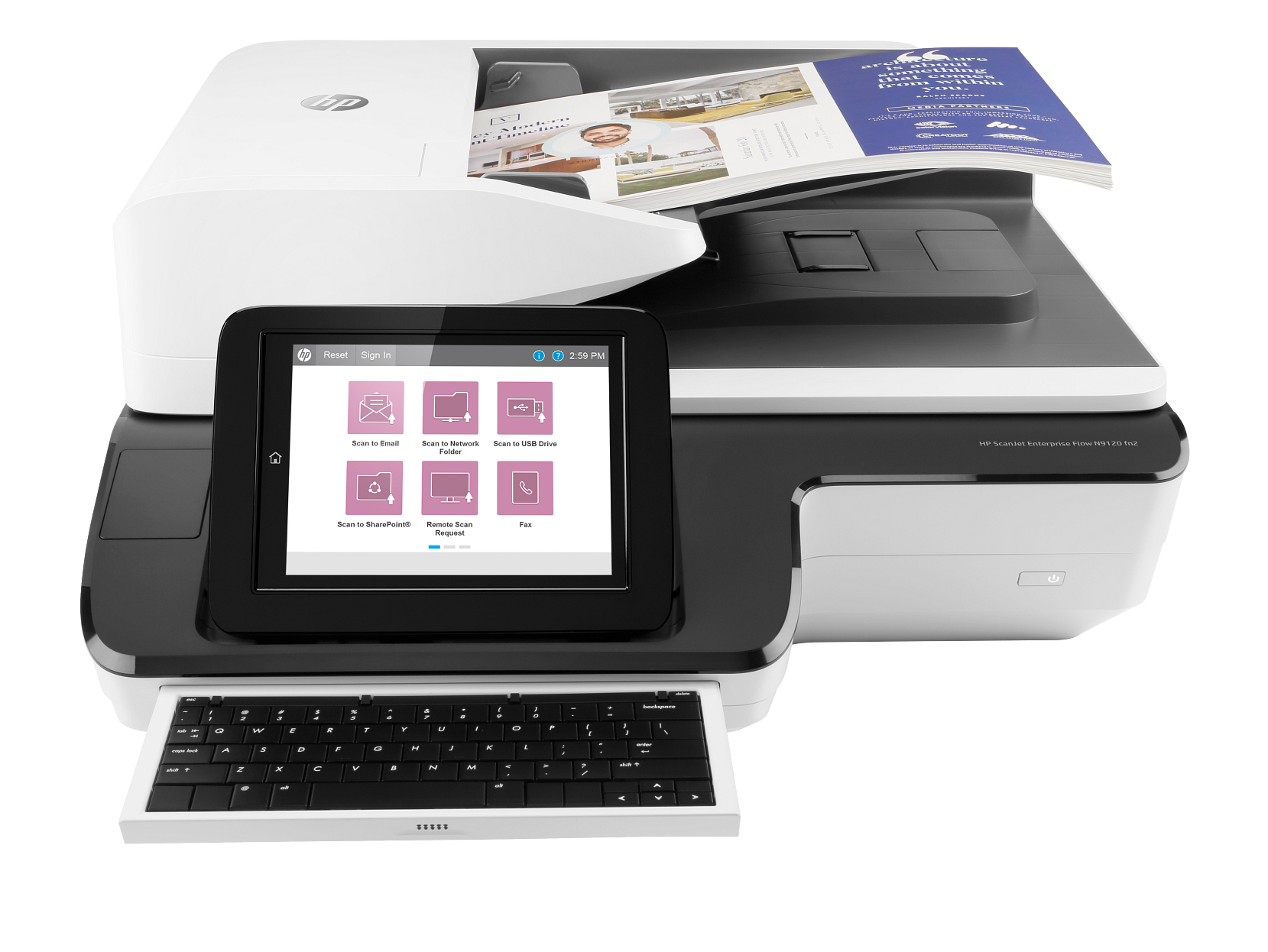
Professional document scanners engineered for speed, precision, and reliable high-volume workflows. Browse compact sheet-fed models, versatile flatbed units, and enterprise-grade devices with automatic document feeders to match your exact needs.
Scanners are essential tools for digitizing paper documents, photographs, receipts, and other physical media into high-quality digital files. Whether you need to archive years of business records, preserve family photos, or simply go paperless in your home office, choosing the right scanner ensures fast, accurate, and reliable results. The two main types of scanners are flatbed scanners and sheet-fed scanners, each suited to different use cases and volumes.
Flatbed scanners are ideal for scanning bound documents, books, fragile papers, photos, and three-dimensional objects. They work by placing the item face-down on a glass surface while the scanning element moves beneath it. Flatbed models provide the highest image quality and handle delicate originals without risk of damage. Many flatbed scanners also include transparency adapters for scanning film negatives and slides. If your primary need is photo scanning, preservation of archival materials, or scanning items that cannot be fed through rollers, a flatbed scanner is the best choice.
Sheet-fed scanners and models with automatic document feeders (ADFs) excel at high-volume document scanning. These devices pull pages through the scanner automatically, allowing you to load a stack of 20 to 100 pages and walk away while the scanner processes them. Duplex scanning — scanning both sides of a page in a single pass — doubles your throughput and is standard on most ADF-equipped models. Scan speeds range from 15 to 60 pages per minute depending on the model, making sheet-fed scanners the preferred choice for offices, legal departments, accounting teams, and anyone who regularly digitizes multi-page documents.
Resolution, measured in dots per inch (dpi), determines the level of detail captured in your scans. For standard business documents, 300 dpi provides sharp, legible text suitable for archiving and OCR (optical character recognition). Photo scanning benefits from 600 to 1200 dpi for prints and up to 4800 dpi for film and slides. Most scanners include bundled software for image editing, PDF creation, OCR text extraction, and cloud storage integration. Connectivity options typically include USB 3.0 for fast transfers, with many models also offering Wi-Fi and Ethernet for network-shared scanning. All scanners in our catalog ship free to anywhere in the United States, include the full manufacturer warranty, and are backed by our 30-day return policy.
When choosing between consumer and enterprise models, consider your monthly volume requirements and total cost of ownership. Entry-level sheet-fed devices handle up to 2,000 pages per day and are perfect for small offices, home businesses, and personal document management. Mid-range models step up to 4,000 pages per day with faster processing speeds and more robust roller mechanisms that minimize paper jams. Enterprise-grade devices are built for centralized mailrooms, records management departments, and high-security environments where uptime and reliability are non-negotiable. Many enterprise units feature ultrasonic multi-feed detection, intelligent document separation, and hardened duty cycles rated at 10,000 or more pages per day.
Software compatibility and workflow integration are equally important factors that often get overlooked. Nearly every modern device ships with a driver package that supports Windows, macOS, and Linux. Beyond basic driver support, look for models that include TWAIN and ISIS drivers for compatibility with third-party document management systems such as SharePoint, DocuWare, and PaperPort. Cloud integration is increasingly standard — many devices can send finished files directly to Google Drive, OneDrive, Dropbox, or an email address without routing through a computer first. For regulated industries like healthcare and finance, look for devices with built-in encryption, password-protected PDF creation, and audit-trail logging to meet HIPAA, SOX, and GDPR compliance requirements.
We value your privacy
We use cookies to enhance your browsing experience and analyze site traffic. With your consent, we also load third-party advertising and conversion-tracking tags to measure ad performance and deliver relevant ads. Read our Privacy Policy and Cookie Policy for full details on advertising and analytics tracking.
Cookie Preferences
Choose which categories of cookies you accept. Strictly necessary cookies are always on as they are required for the site to function.
Strictly Necessary
Required for core site features such as the shopping cart, checkout, and login. Cannot be disabled.
Analytics
Help us understand how visitors use our site so we can improve the experience.
Advertising
Used to measure ad performance and show you more relevant advertisements.